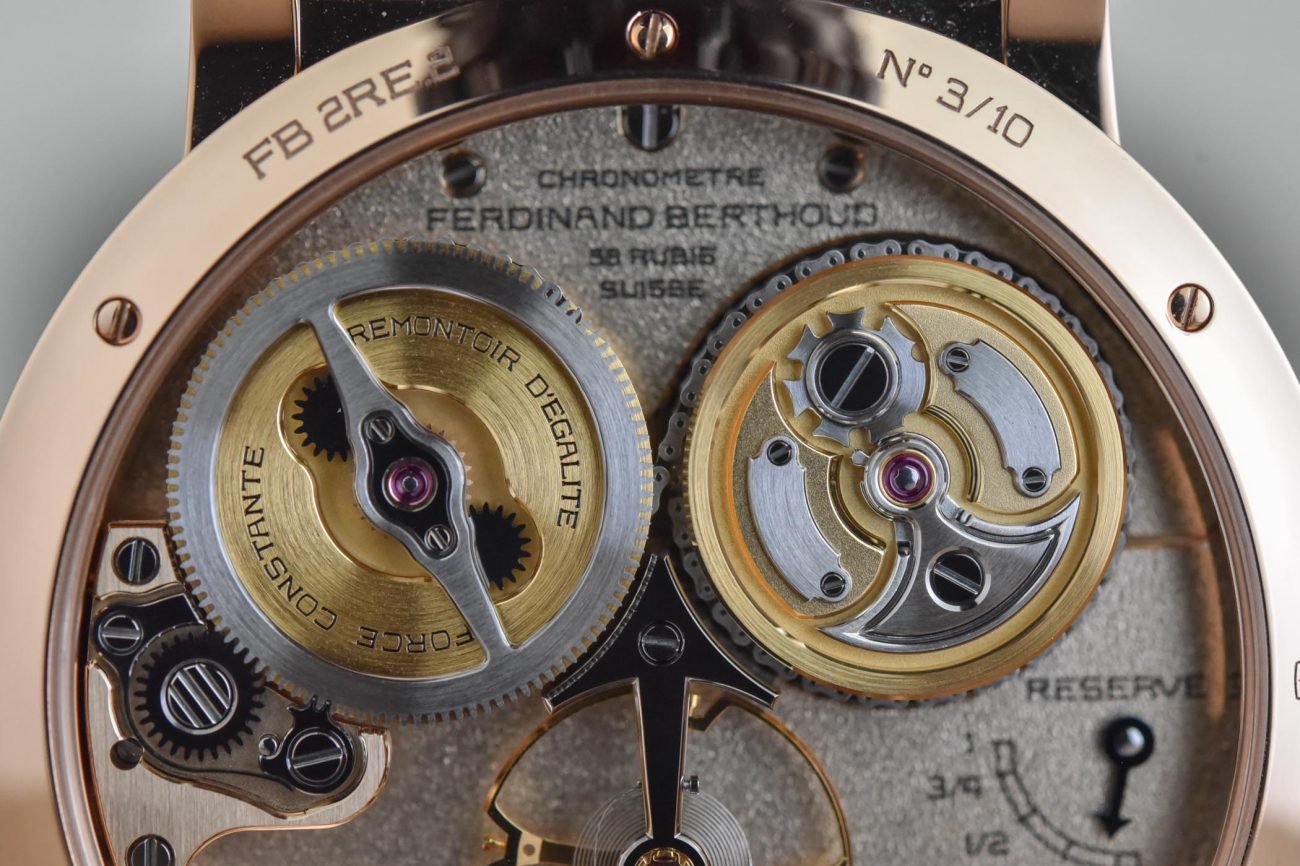
In a primary mechanical motion, there are two main springs: one which delivers energy and one other one to maintain it precisely beating. However others are important for this total dance to work. As soon as problems are added, much more are wanted and sophisticated items can have dozens of springs. When most individuals consider a spring, an extended and cylindrical steel coil involves thoughts, like one in a retractable ballpoint pen, however springs within a mechanical watch have many alternative shapes (though the identical normal idea applies). Let’s have a look at the 2 main and not-to-be-ignored secondary springs that work collectively as a staff in a primary mechanical motion.
The Mainspring – energy provide
A mechanical motion begins with the mainspring, which is the facility supply of a watch. It’s an extended, skinny coiled ribbon of metal or steel alloy that lies flat inside a barrel, slowly unwinding because it sends energy via the gear practice to the stability wheel and escapement and, after all, the dial’s arms and numerous problems (if relevant). Fashionable mainsprings are sometimes constituted of Nivaflex, comprised of an anti-magnetic cobalt-nickel alloy with a excessive tensile power – 45% cobalt, 21% nickel and 18% chromium (with small quantities of iron, tungsten and different metals). The mainspring could be wound manually or through an automated weighted rotortogether with an built-in micro-rotor or peripheral rotor. Earlier than the primary quartz watch in 1969, battery-powered watches changed the mainspring with an digital equal, like Hamilton’s Ventura in 1957, aiming to remove the necessity for winding in an in any other case mechanical motion. These early makes an attempt had been temperamental and by no means in a position to substitute bodily mainsprings en masse.
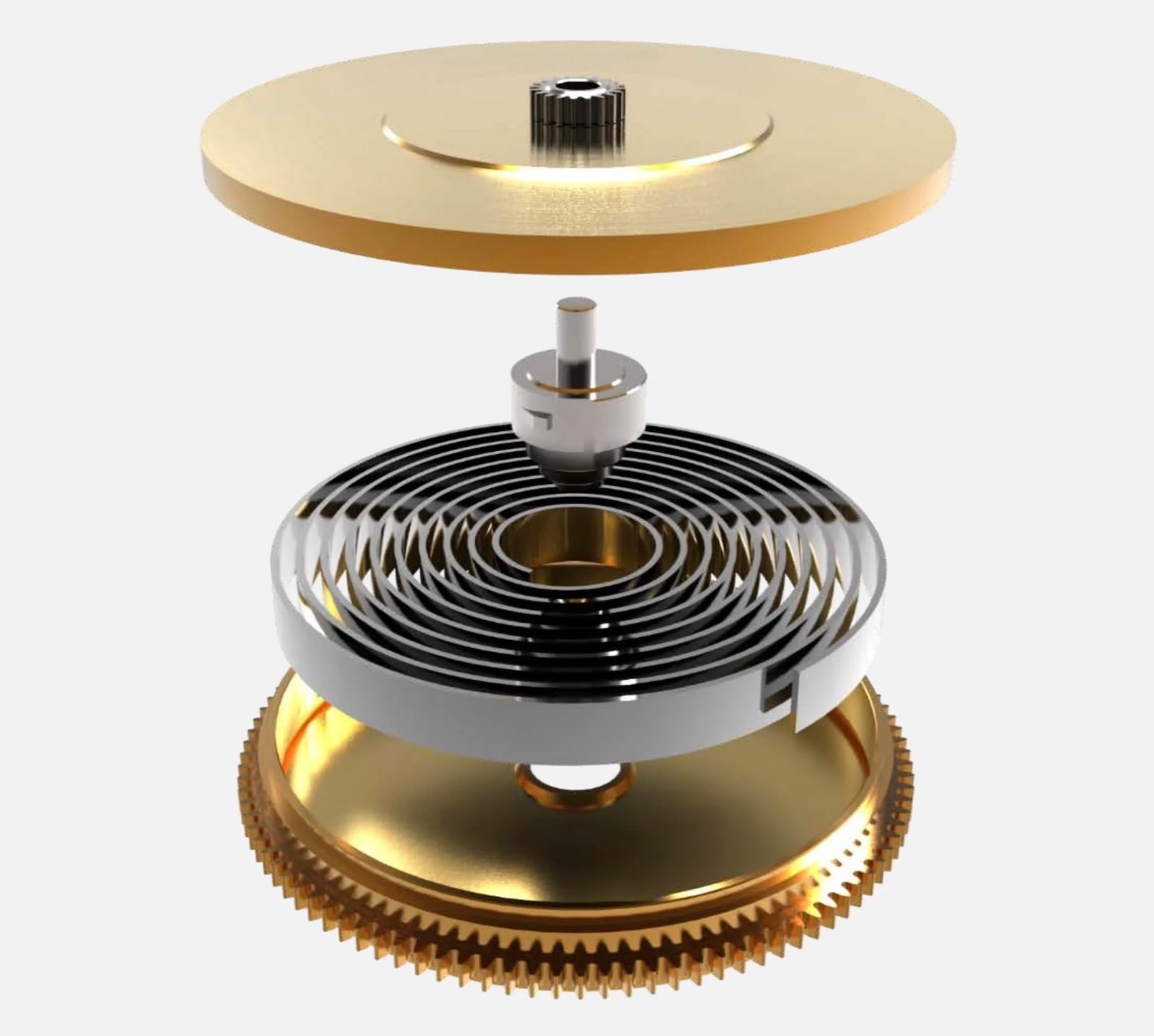
At first of the 15th century (nearly a century earlier than Columbus sailed), mainsprings started changing conventional hanging weights in clocks, permitting for a lot smaller and even transportable (or luggable) clocks that didn’t require substantial vertical area beneath. The Burgundian clock from round 1430 is the oldest identified spring-driven transportable clock, originating within the Belgium/Northern France space (as we all know it as we speak) and nonetheless practical on the Germanisches Nationalmuseum. German locksmith Peter Henlein is credited with inventing the primary pocket watch powered by a mainspring – in actuality, these early timekeepers had been mainly miniature clocks worn across the neck, but additionally the catalyst for correct pocket watches transferring ahead. There are typically two configurations of mainsprings as we speak – one which’s connected to the barrel wall for hand-wound actions, so the crown stops when absolutely wound, and one with a bridle for automatics (referred to as a slipping spring), the place the top can slide alongside the barrel wall when absolutely wound to forestall overwinding and harm from the winding rotor. Consider it like a friction clutch in a automobile.
The Fusee and Chain
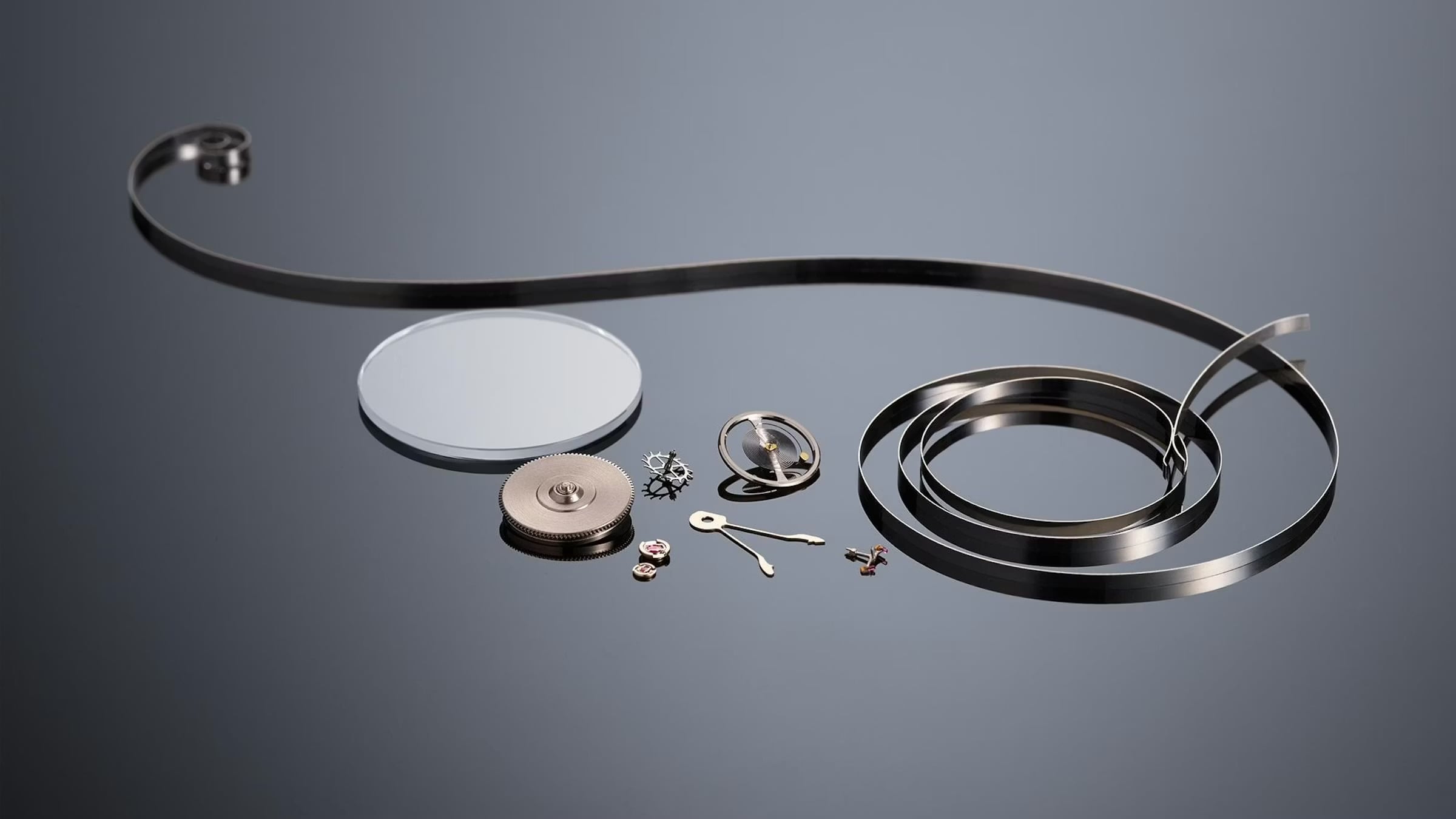
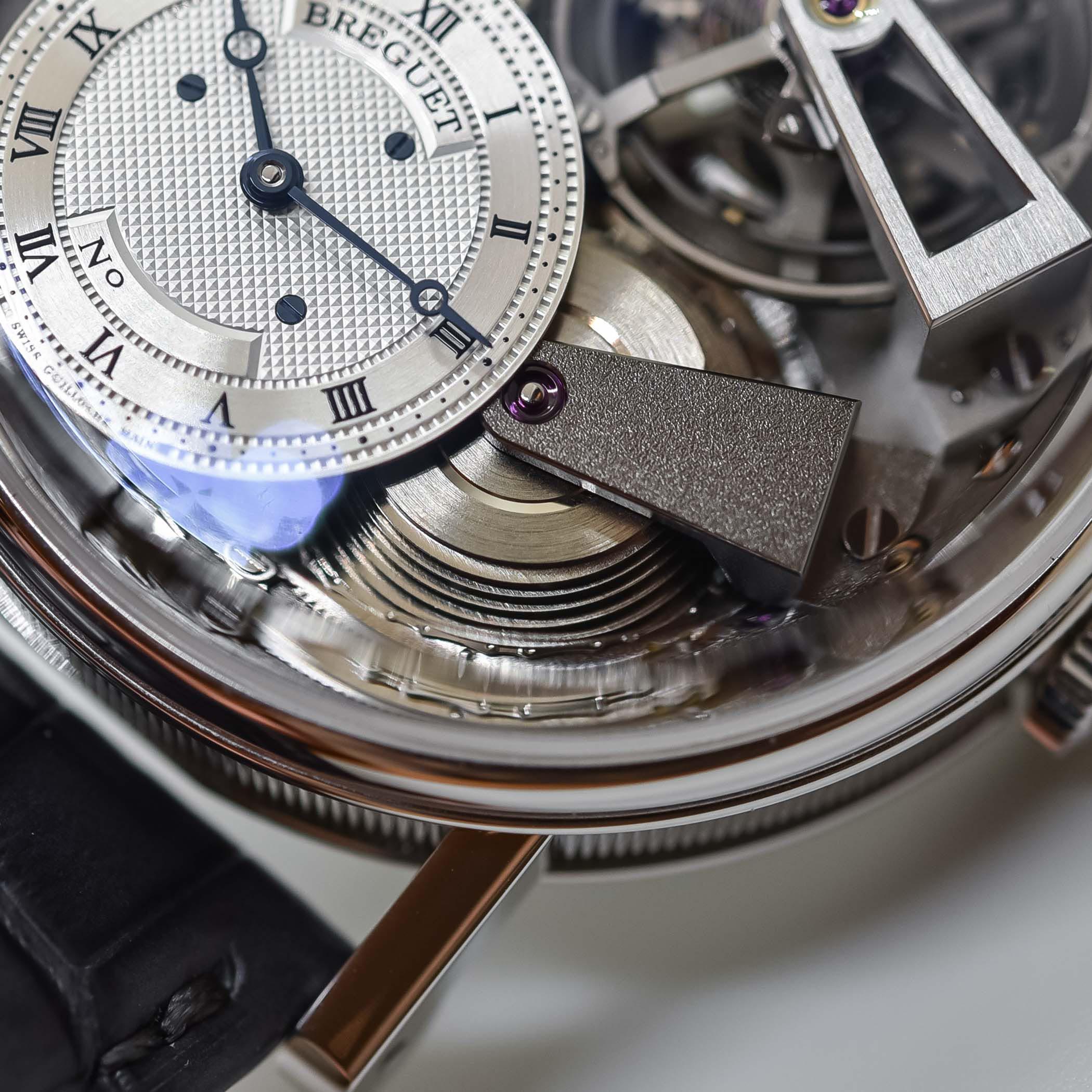
Early steel mainsprings weren’t constituted of fancy Nivaflex and suffered from vital variances in torque, shedding energy as they unwound. To counter this, a fusee and chain had been typically used – mainly a steel cone with a series wrapped round it. Beginning on the tip when absolutely wound, the chain moved right down to the vast base because it unspooled, compensating for the weaker drive of the unwinding mainspring to take care of consistency all through the gear practice. It’s form of like a Constantly Variable Transmission (CVT) in a watch. This was utilized in clocks as early because the 15th century, however didn’t make it to pocket watches till the mid-17th century. Fashionable mainsprings and higher engineering have made the fusee and chain out of date as we speak, however a handful of high-end watchmakers toy with the design for custom and the distinctiveness of the setup – A. Lange & Söhne, Breguet, Ferdinand Berthoud, Zenith and extra. It’s unknown who precisely invented the fusee and chain, however the idea and drawings hint again to Leonardo da Vinci.
Double Barrel (and extra)
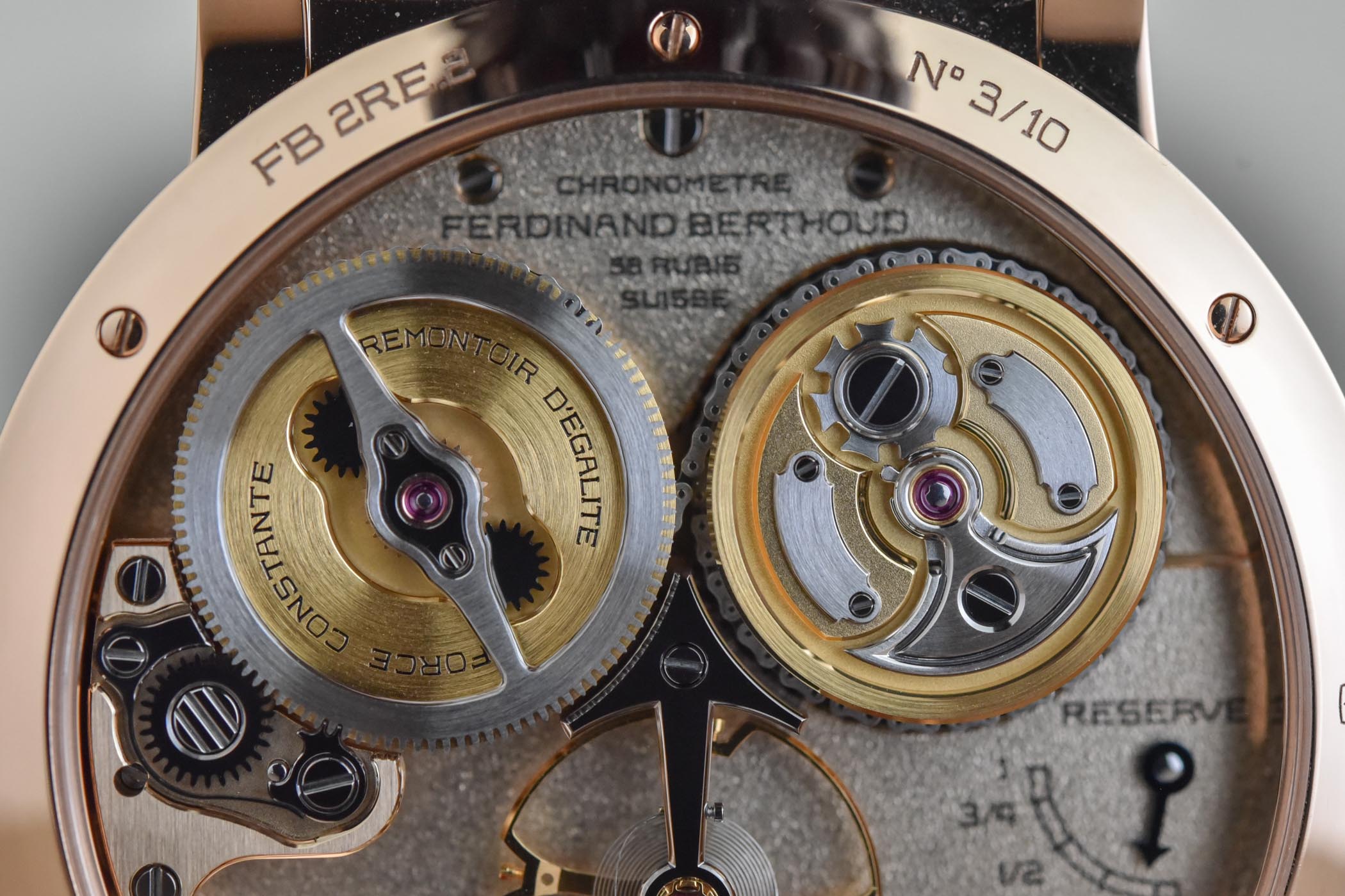
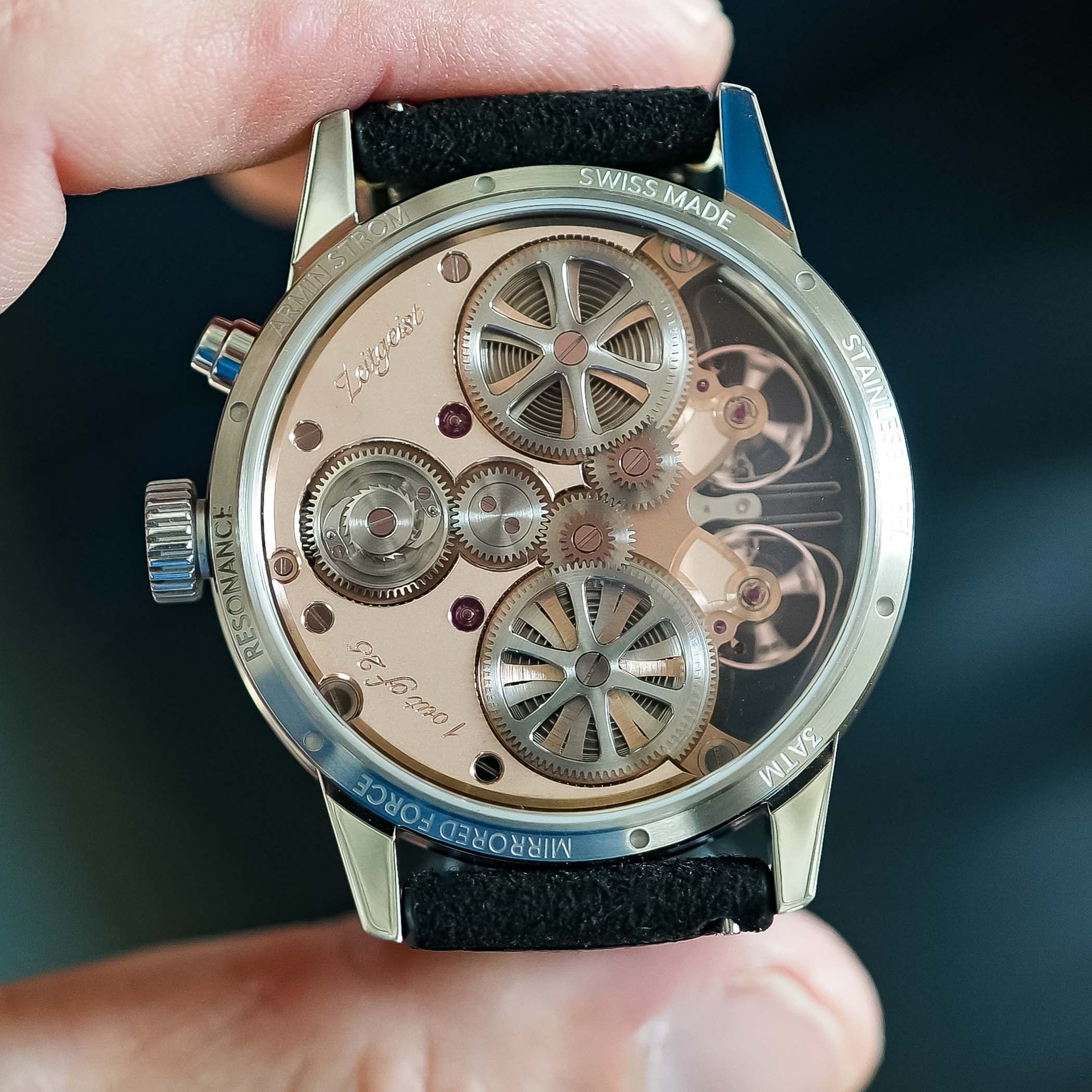
Some watches have twin barrels (or extra… many extra) for a number of causes, however the three commonest are to extend the facility reserve, to supply a extra steady supply of the torque to the regulating organ, or to supply an unbiased energy supply to power-hungry problems like repeaters/grande sonneries or chronographs. There are typically three configurations: 1. The barrels work sequentially in a serial setup, so the second barrel solely takes over after the primary is unwound, doubling the facility reserve, 2. The barrels work collectively in a parallel setup, offering a extra fixed drive for accuracy (stability wheel has elevated amplitude) and three. The barrels work independently of one another, powering time with one barrel and power-hungry problems with the opposite. Some watches as we speak can get a full five-day energy reserve or extra with one barrel, so double barrels in that capability are much less frequent.
The Hairspring or Steadiness Spring
The hairspring or stability spring (names are synonymous) is a very fantastic, coiled spring inside the stability wheel that controls its oscillations or the beat of the watch. Working along with the stability wheel and escapement (altogether making the regulating organ), the spring generates the heartbeat that regulates the velocity of the gear practice and, consequently, the accuracy of the watch.
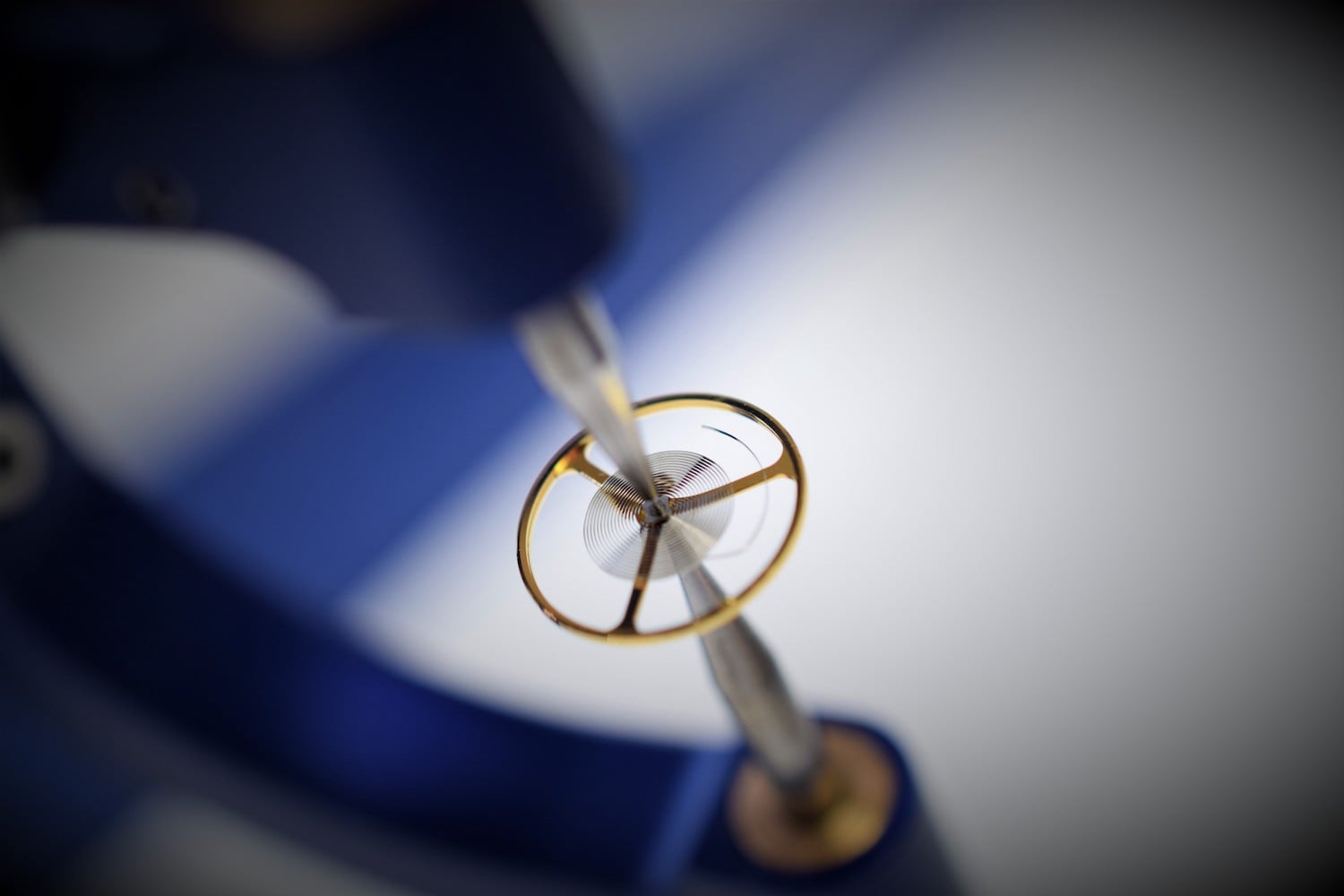
The back-and-forth swing of the stability creates the particular oscillation frequency of the motion – 28,800vph (4Hz) or 21,600vph (3Hz) and so forth. Hz (hertz) defines what number of instances a full backwards and forwards swing of the stability occurs per second. Vph (vibrations per hour) measures one swing at a time, so 28,800vph is definitely 14,400 full oscillations, because the tick and tock are each counted.
Steadiness springs are available numerous supplies, with silicon being a considerably latest and common selection because it’s anti-magnetic, very sturdy and light-weight. Ulysse Nardin was the primary to make use of silicon elements in 2001 (inside the Freak)however a collaborative settlement amongst Rolex, Patek Philippe and the Swatch Group created silicon hairsprings with a protecting patent. These hairsprings have grow to be extra widespread as we speak inside the Swatch Group and now outdoors watchmakers following the expiration of the patent in 2021. Nivarox nickel-steel alloy is one other frequent selection, which can be magnetic-resistant and temperature-resistant. Some watchmakers have their very own supplies of selection – Rolex developed an alloy of niobium and zirconium known as Parachrom, Seiko developed one other proprietary alloy known as Spron, Swatch Group’s Powermatic depends on Nivachron, and TAG Heuer not too long ago unveiled TH-Carbonspringconstituted of carbon nanotubes (as a substitute for the patent-protected Silicon).
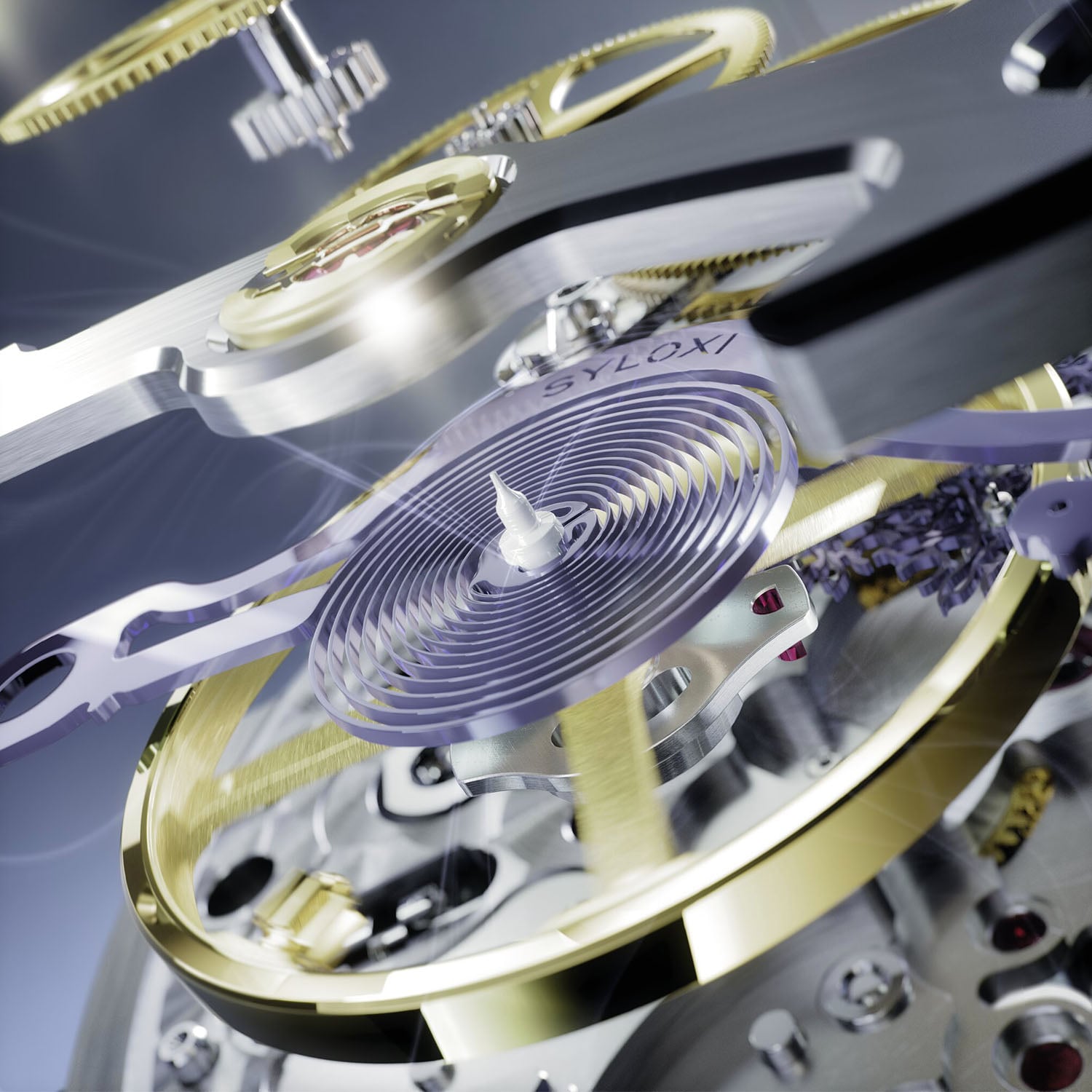
Only a few watchmakers produce their very own hairsprings (however so is the case for the mainspring), so the vast majority of in-house actions typically use outsourced hairsprings. Nivarox, which is a subsidiary of the Swatch Group, is the largest Swiss producer of hairsprings and supplies the bulk to Swiss manufacturers. Precision Engineering AG is a sister model of H. Moser & Cie and its provider (each are subsidiaries of MELB Holdingthough Precision Engineering AG additionally operates independently). Different high-end watchmakers with in-house hairspring manufacturing embody Rolex, Patek Philippe, Bovet, Ulysse Nardin, Black Etienne, Rocketand A. Lange & Söhne.
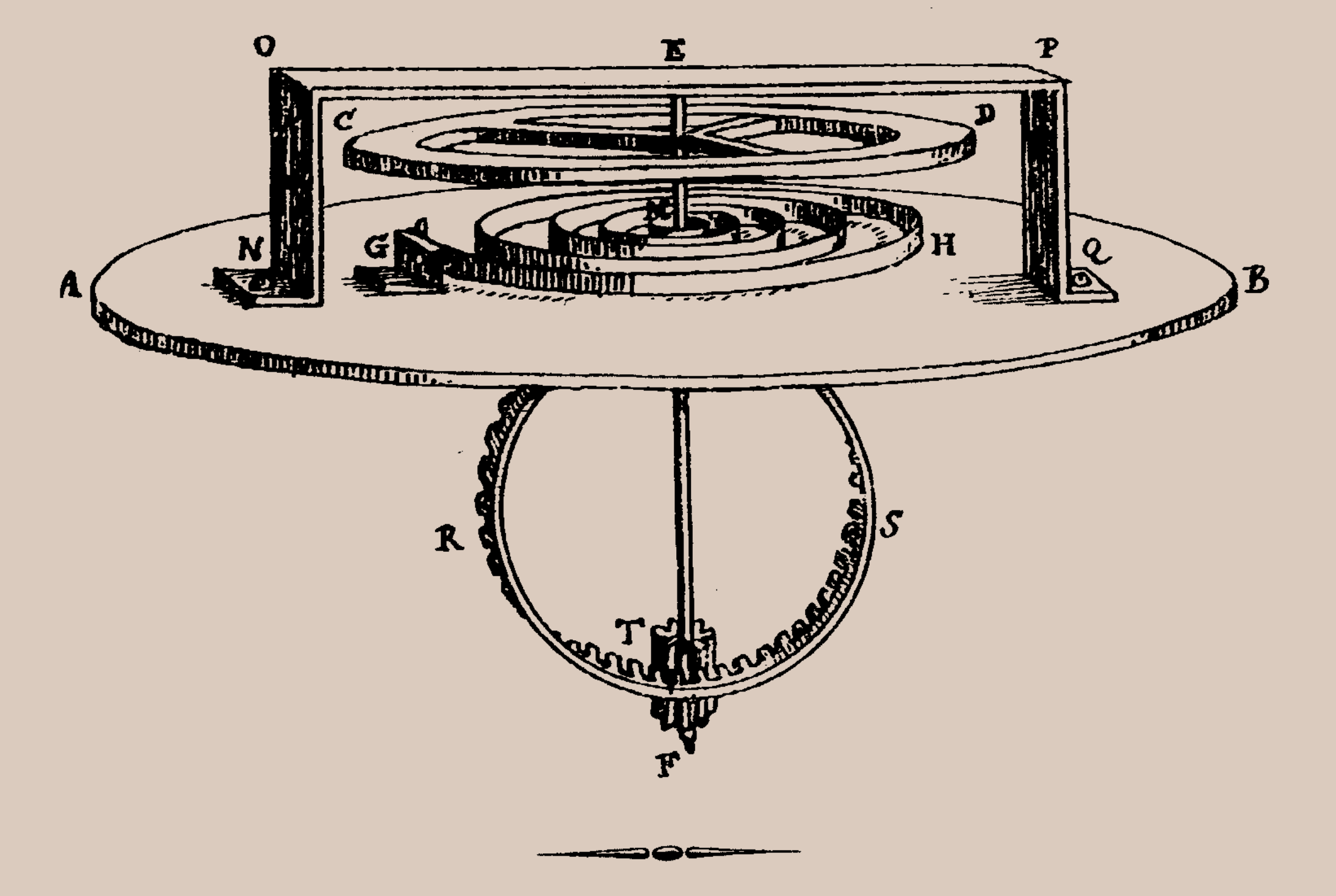
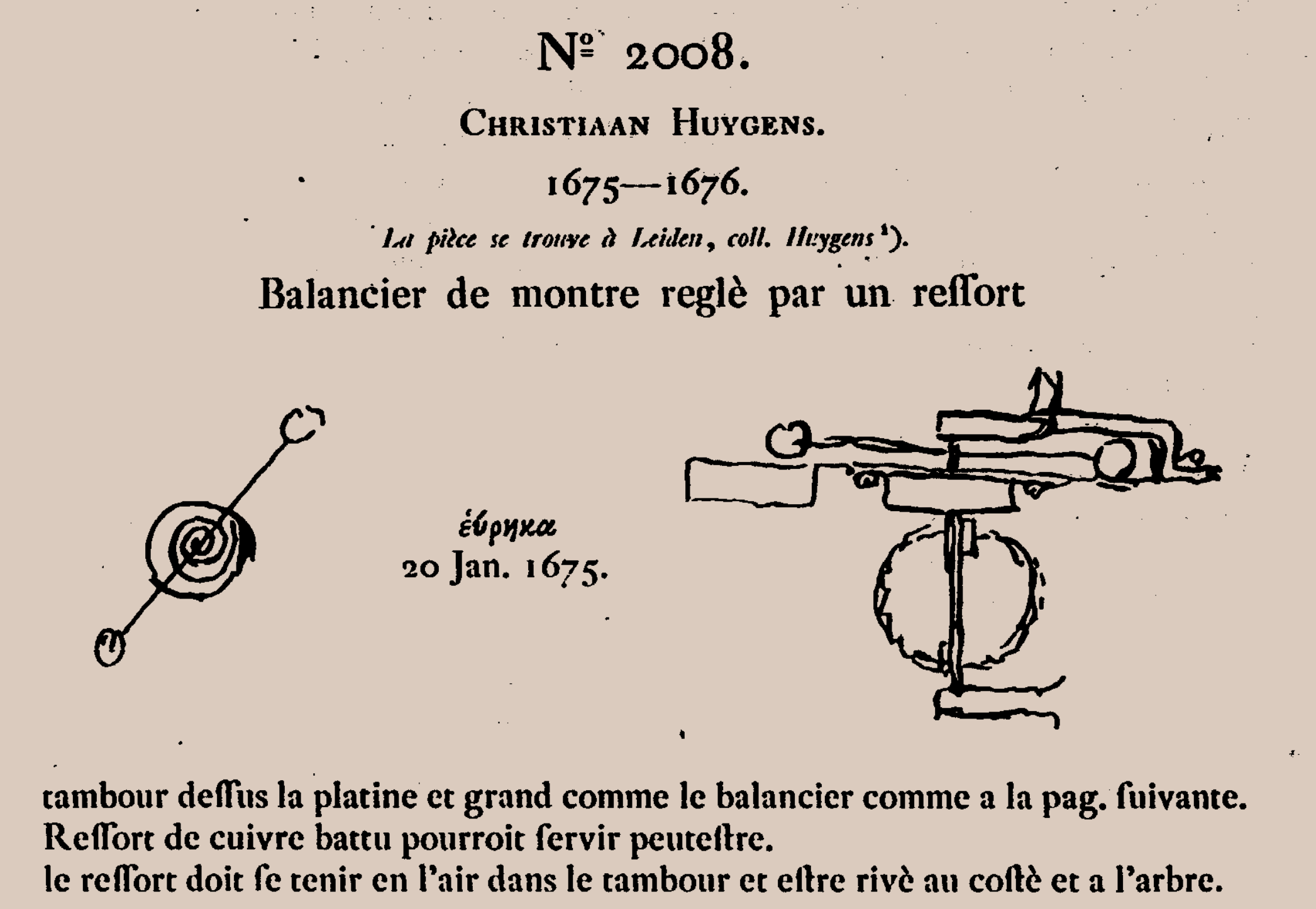
Dutch scientist Christiaan Huygens invented the hairspring in 1675though Robert Hooke might have developed the concept round 1670 (and not using a working pattern). It changed early foliot mechanisms and revolutionised the accuracy of watches, and stays a key normal of watchmaking as we speak (together with the lever escapement and watch stem and crown). A big development to this got here in 1795 from Abraham-Louis Breguet, the place the outer coil was raised above the in any other case flat coil after which curved in direction of the centre. This eradicated the lopsided enlargement of a completely flat spring to enhance isochronism and accuracy. The now symmetric spring motion from this Breguet overcoil additionally lowered positional errors (adverse adjustments when the watch shifts orientation) and put on on the stability employees. It’s an ordinary for a lot of high-end actions as we speak, however flat hairsprings for mass-produced counterparts are a lot improved with trendy supplies and obtain comparable accuracy outcomes.
Click on Spring
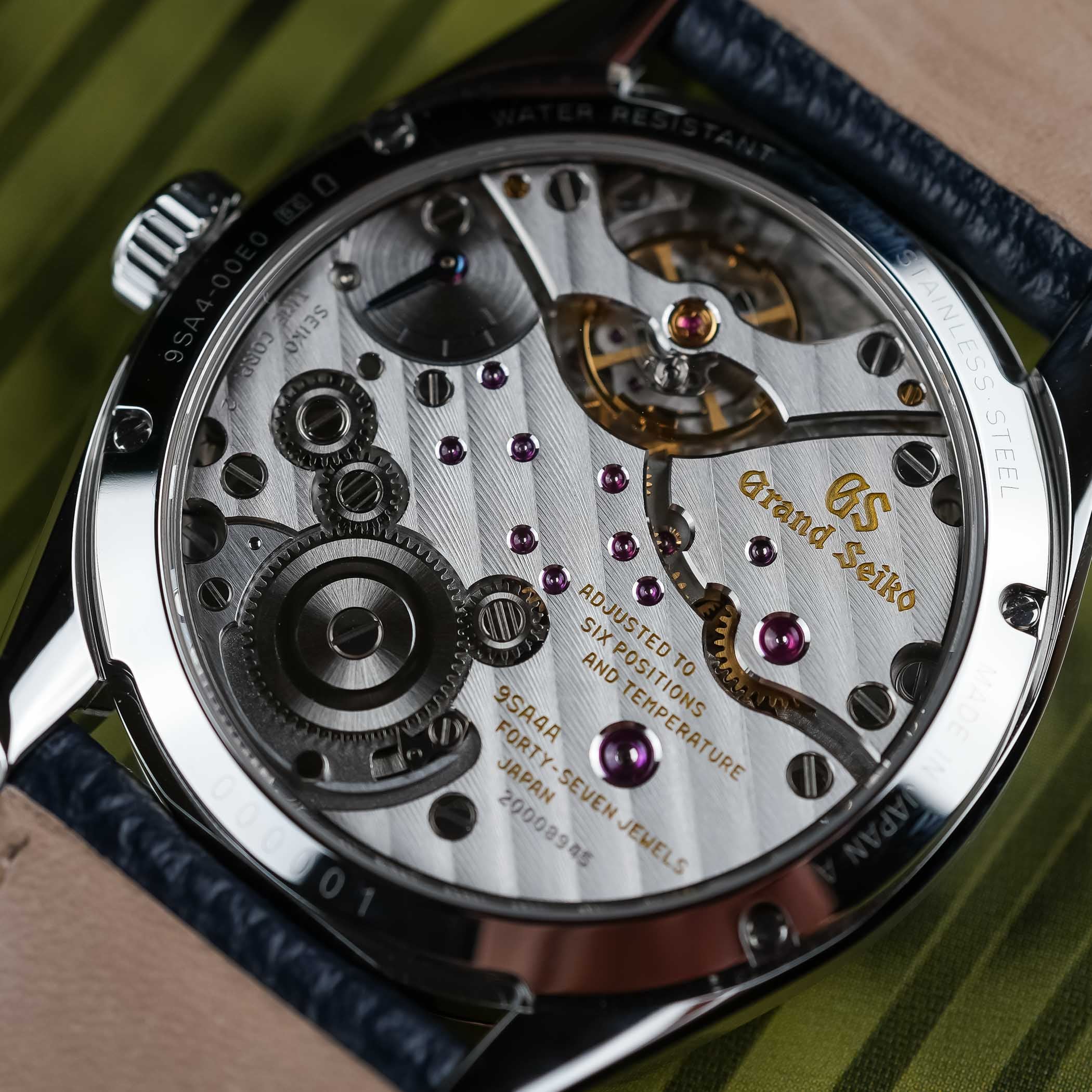
To stop the mainspring from unwinding, a pawl and click on spring are used to maintain the ratchet wheel secured and unable to spin freely – the ratchet wheel is a gear on high of the barrel, so the mainspring could be wound through the crown (that is separate from the tooth on the barrel itself that mesh with the gear practice). The pawl is a small lever that engages with the ratchet wheel tooth to lock it in place, whereas the press spring merely pushes the pawl towards the ratchet wheel. As you wind the watch, the click noise comes from the pawl snapping into every tooth because it’s pushed by the press spring to maintain it from coming free. Easy but very important for the watch to wind and correctly perform.
Jumper and Setting Lever Springs
For watches with date home windows (together with day-date, and many others.), a jumper spring is required to push a lever into the date wheel till drive is generated to push (or soar) it to the following digit (the spring releases rigidity throughout this instantaneous soar). After the soar, the jumper spring and lever maintain the wheel’s place till the following soar. This additionally applies to related ideas like leaping hours. A setting lever spring is used for the crown and stem, holding the fitting place as you pull the crown to set the time, date, wind the watch and so forth (you may really feel and generally hear the press because the crown is pulled to every place).
Shock Absorber Springs
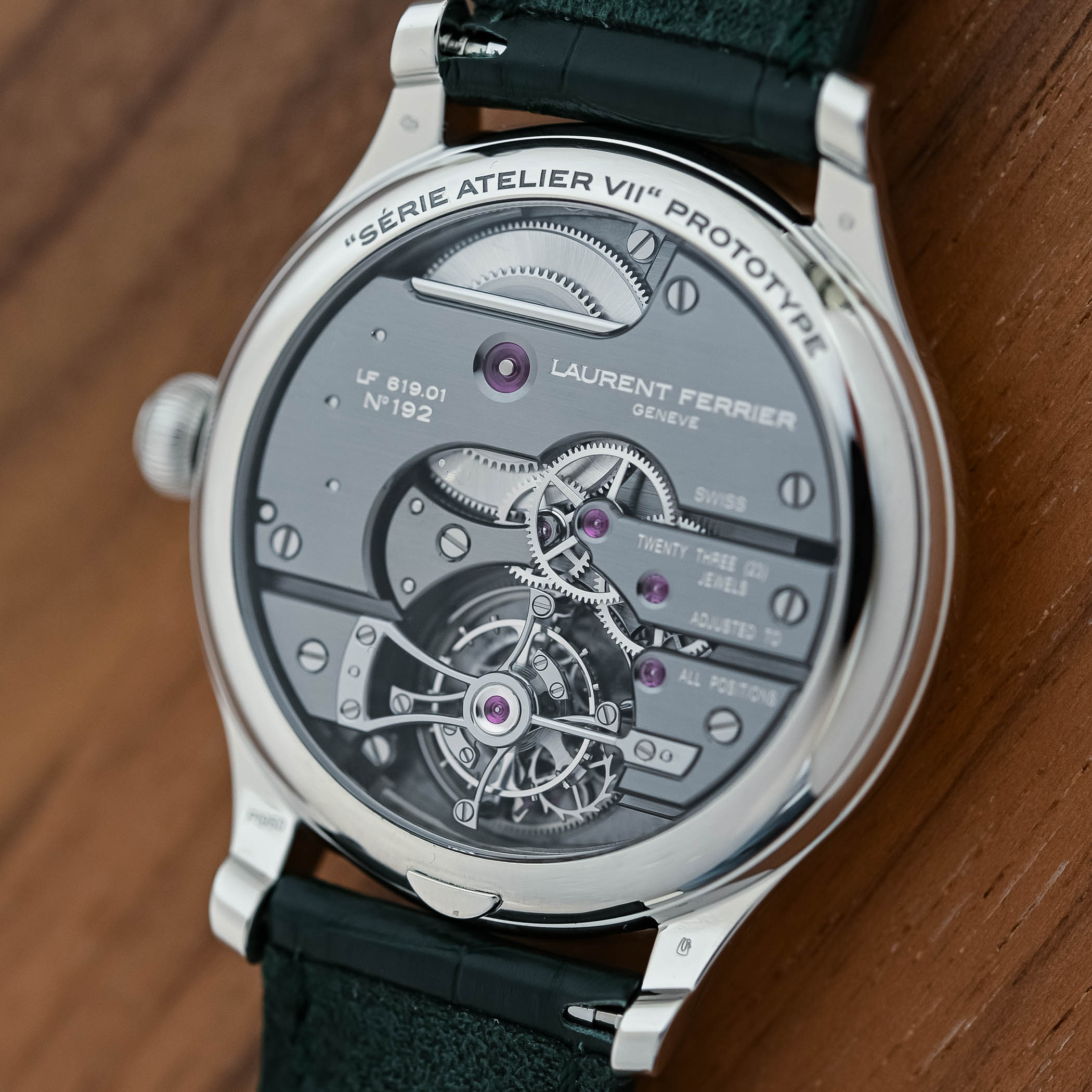
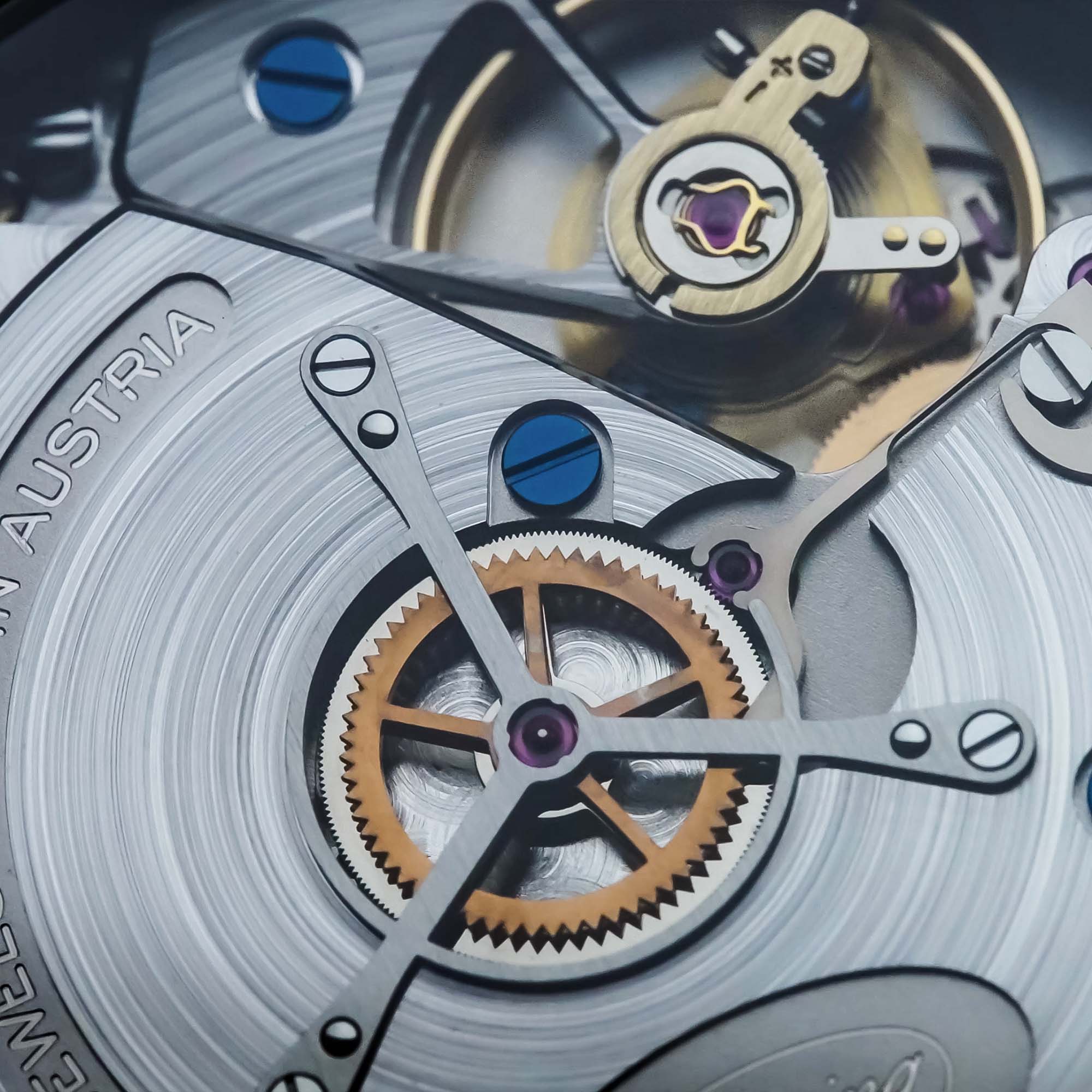
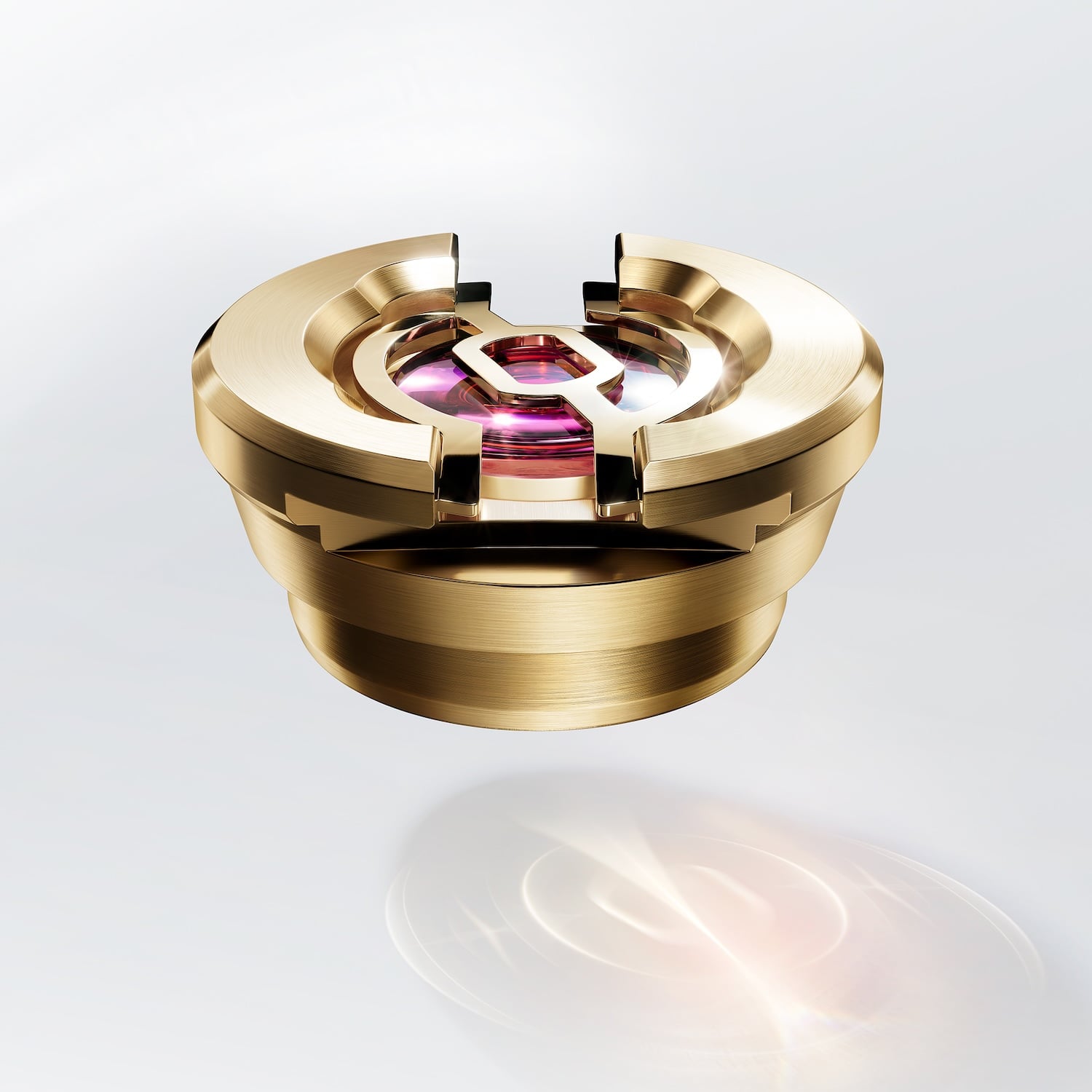
Most mechanical actions as we speak have shock resistance, like Incabloc, Diashock or Parashock, and comes play an important function. Shock safety typically focuses on the stability wheel and its employees through related jewels. These jewels are secured with specialised spring methods, permitting them to maneuver and flex a bit throughout a tough knock or shock that forestalls the employees from breaking and the jewels from doubtlessly falling out – a suspension system. There’s an ordinary for a watch to be labelled as shock resistant – ISO 1413 – that requires testing for particular shocks on the crystal and case aspect. Classic watches with out shock resistance had been way more inclined to damaged stability staffs and sheared off jewels.
Simply the fundamentals
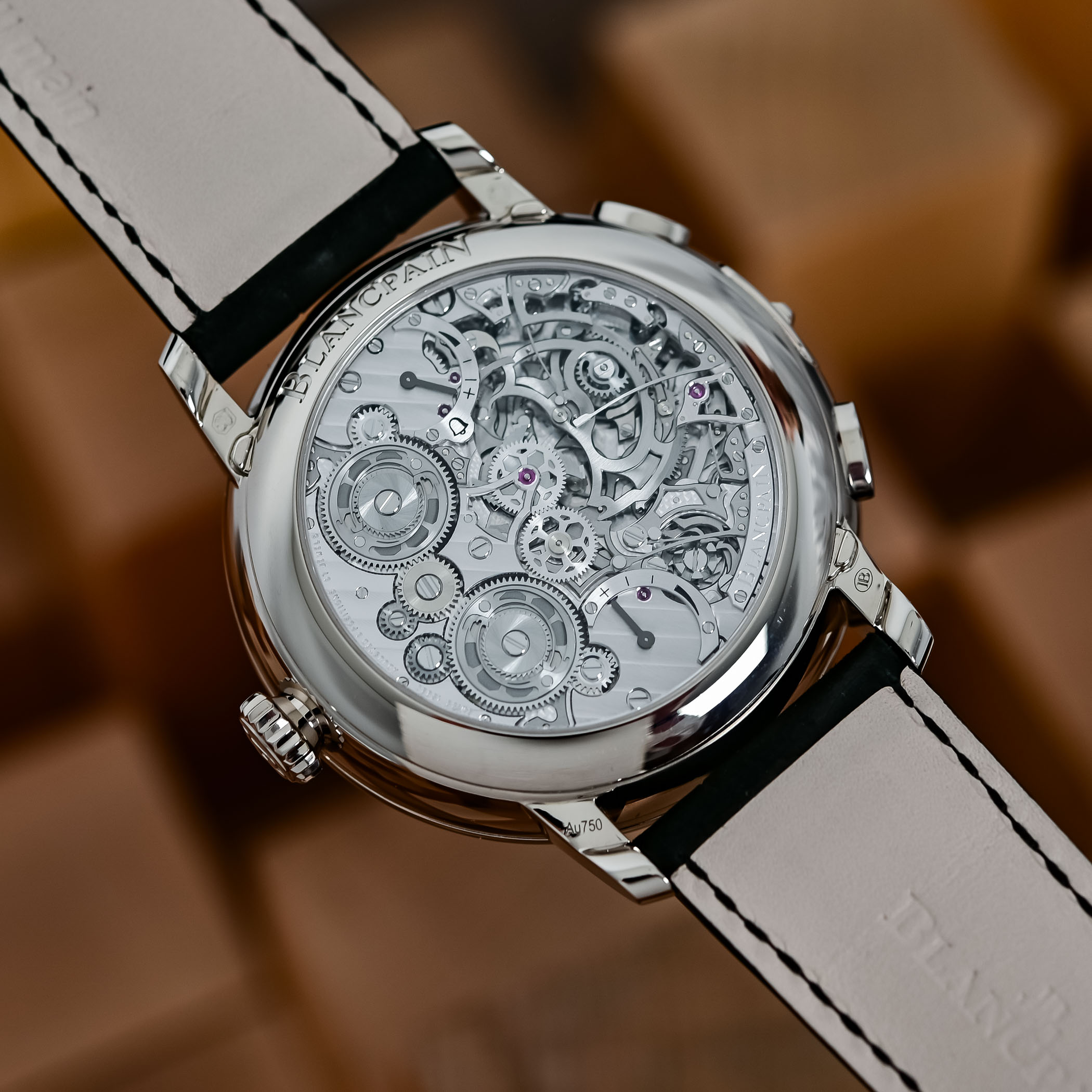
This isn’t an exhaustive checklist of springs, but it surely covers the fundamentals of a mechanical watch. As soon as problems are added, like chronographs and repeaters, a smorgasbord of specialized springs is launched. A grand sonnerie, for instance, has roughly 22 blade springs for the hanging mechanism alone, whereas soar springs are wanted for every gear within the hanging practice. These actions can have over 1,000 elements with a number of tiny springs concerned. A chronograph provides dozens of springs to the essential motion, as does a perpetual calendar. The king and queen are the primary gamers on a chess board (let’s name them the mainspring and hairspring), however you may’t have a sport with out the remainder of the items, that are the opposite very important springs inside a mechanical motion. Maybe not the most effective analogy, however you get the concept. With out springs, we’re again to archaic clocks with verge-and-foliot designs within the 14th century (and a primary sport of Checkers).
https://monochrome-watches.com/abcs-of-time-everything-about-the-springs-inside-a-mechanical-watch/
